Transmission / ψ-06
the tension
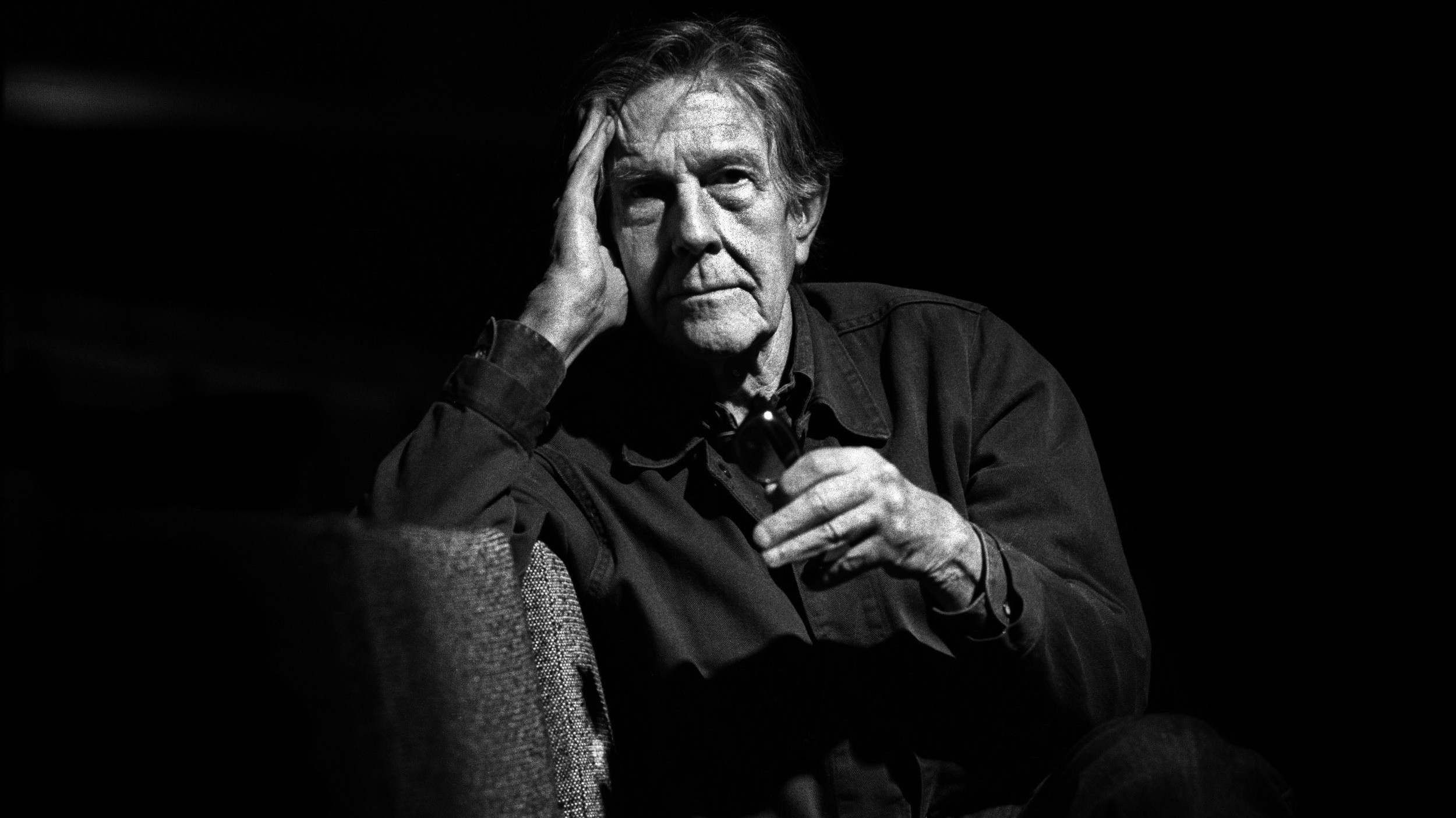
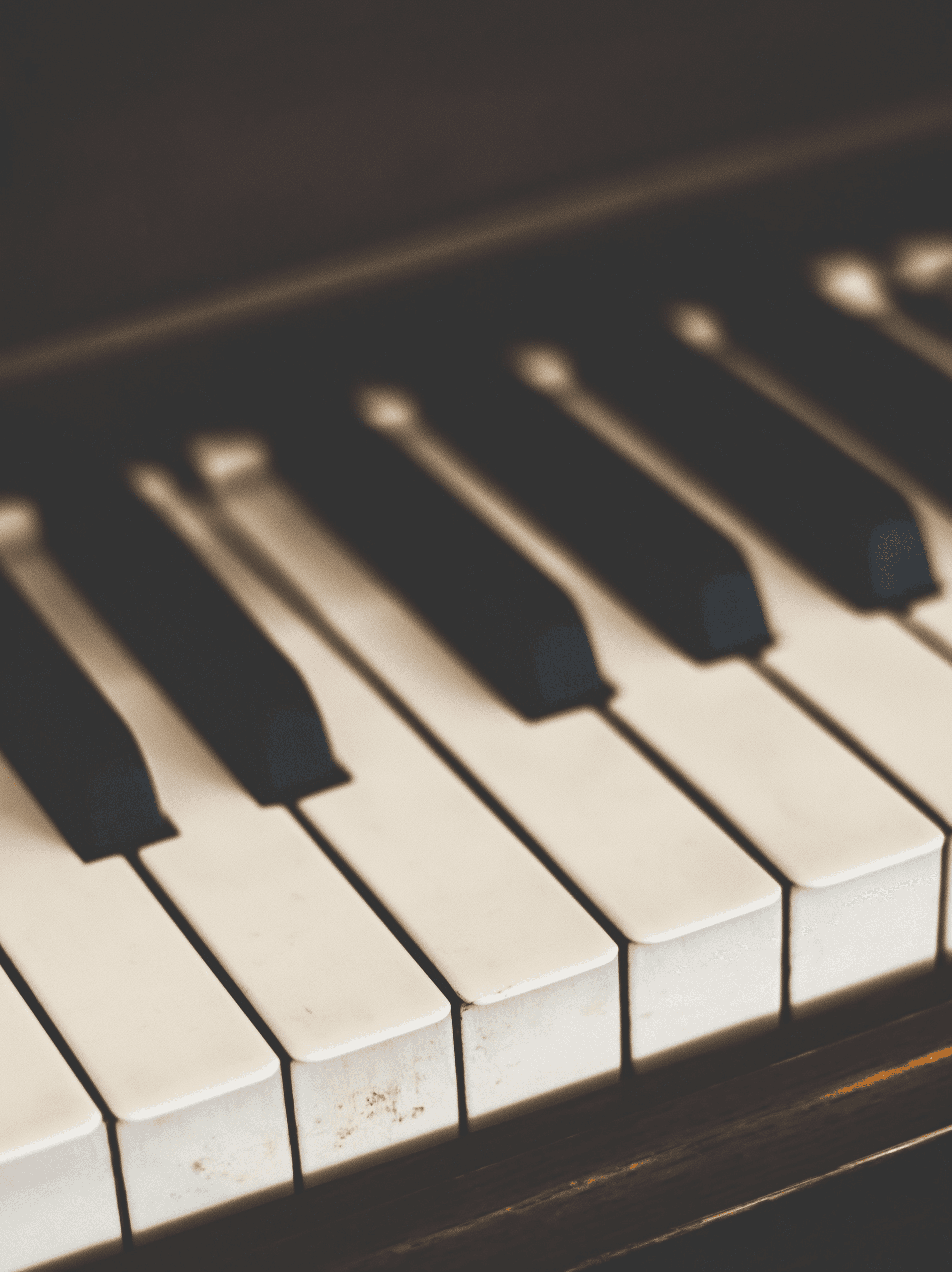
On August 29, 1952, composer John Cage premiered a new piece at a concert hall in Woodstock, New York. Pianist David Tudor sat down at the piano, closed the keyboard lid, started a stopwatch, and played nothing.
Four minutes and thirty-three seconds. Three movements. No intentional sound. The audience heard rain on the roof, wind in the trees, their own shifting weight on wooden benches, and the growing volume of their own confusion.
Some called it a masterpiece. Some called it a joke. Seventy years later, the argument hasn't settled. Not because people stopped caring. Because the question John Cage placed inside that room has no answer.
Your answer depends on what you believe music is. And that's yours alone.
That's tension. Not the dramatic kind that resolves in the third act. The kind that lives inside a work permanently because it asks a question no one can settle.
Conflict without resolution.
Person against nature.
Person against society.
Person against self.
These shapes are ancient. Stories have used them forever. But the shape is just the vehicle. What makes a conflict last is the philosophical question underneath. The place where there is no correct answer, only subjectivity.
Pina Bausch understood this. In Café Müller, dancers move through a room of chairs and tables with their eyes closed. A man arranges two bodies into an embrace. The woman falls. He arranges them again. She falls again. No context. No explanation. You bring your own.
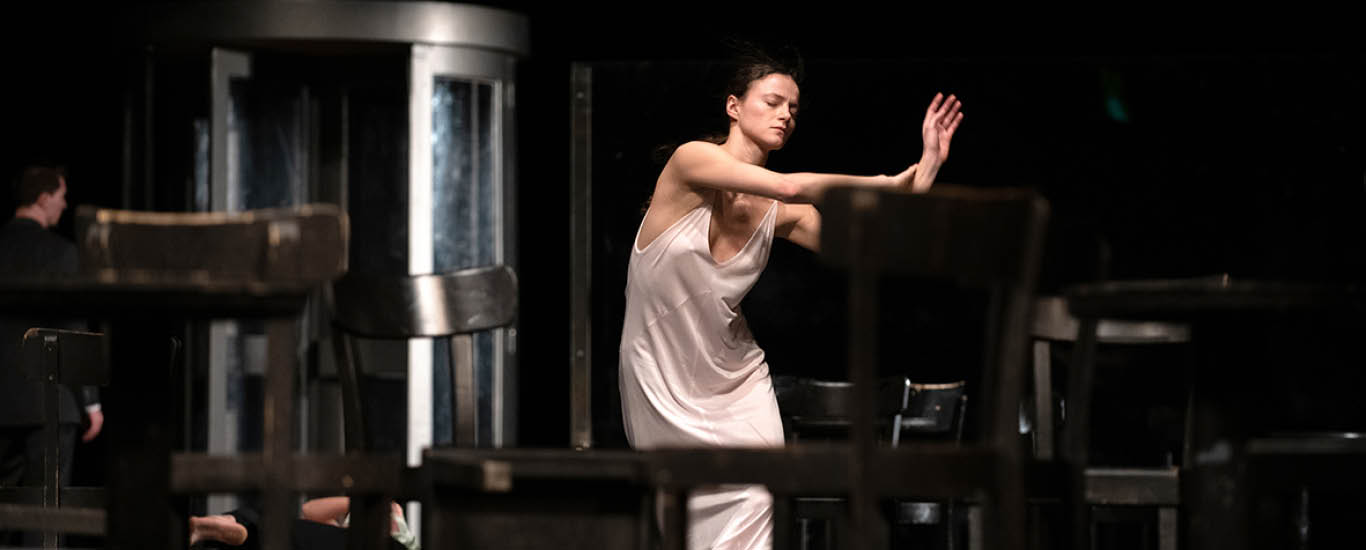
That's tension giving the audience a permanent place to live inside the work. Bausch never tells you what the conflict is. You supply it from your own history, your own capacity for trust or its absence. The tension is yours. It changes every time you return.
Tension is conflict without resolution.
The best tension is philosophical. No correct answer, only subjectivity.
Tension that lasts gives the audience a space to inhabit.
unk