Transmission / ψ-01
another world
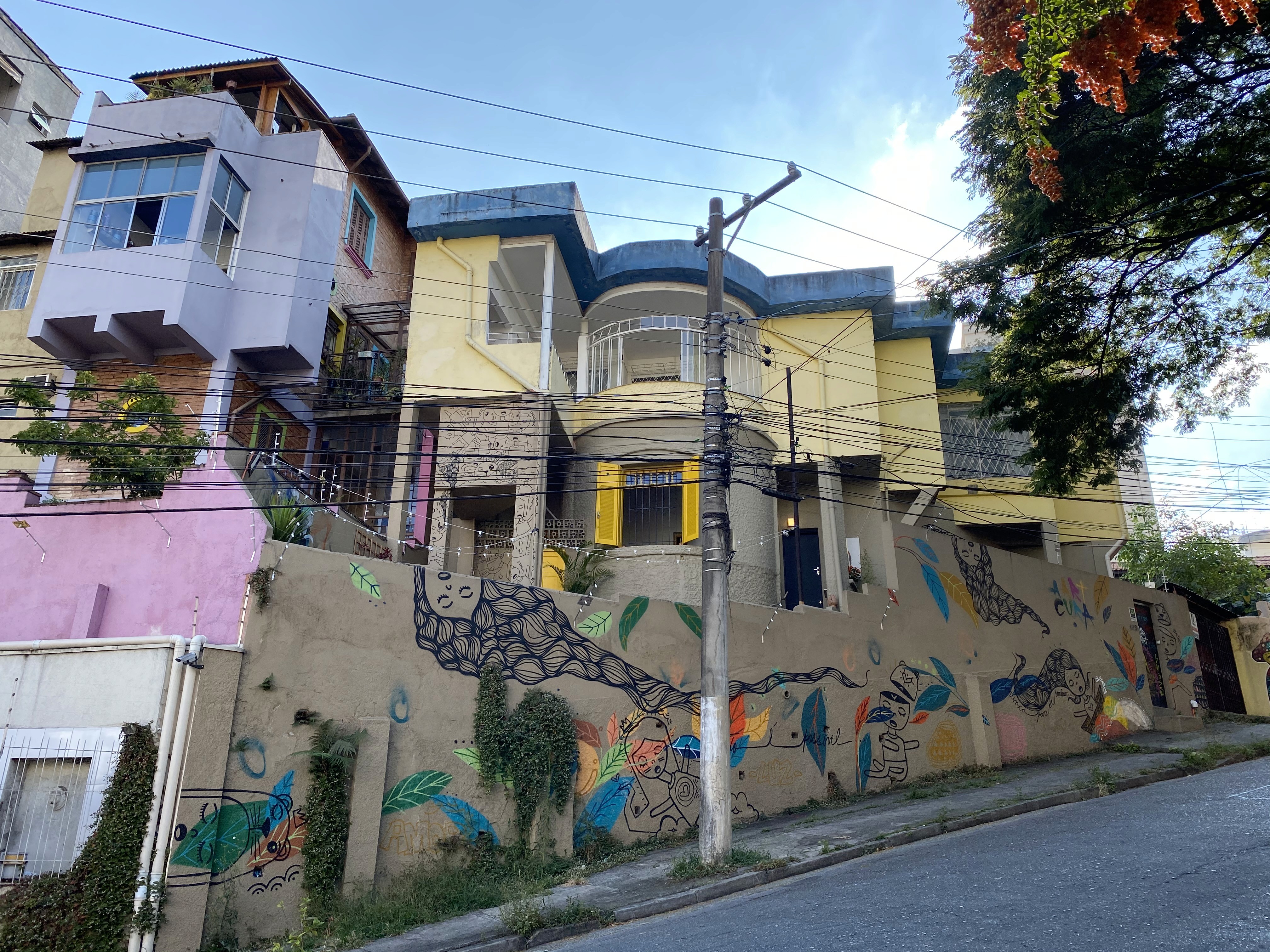
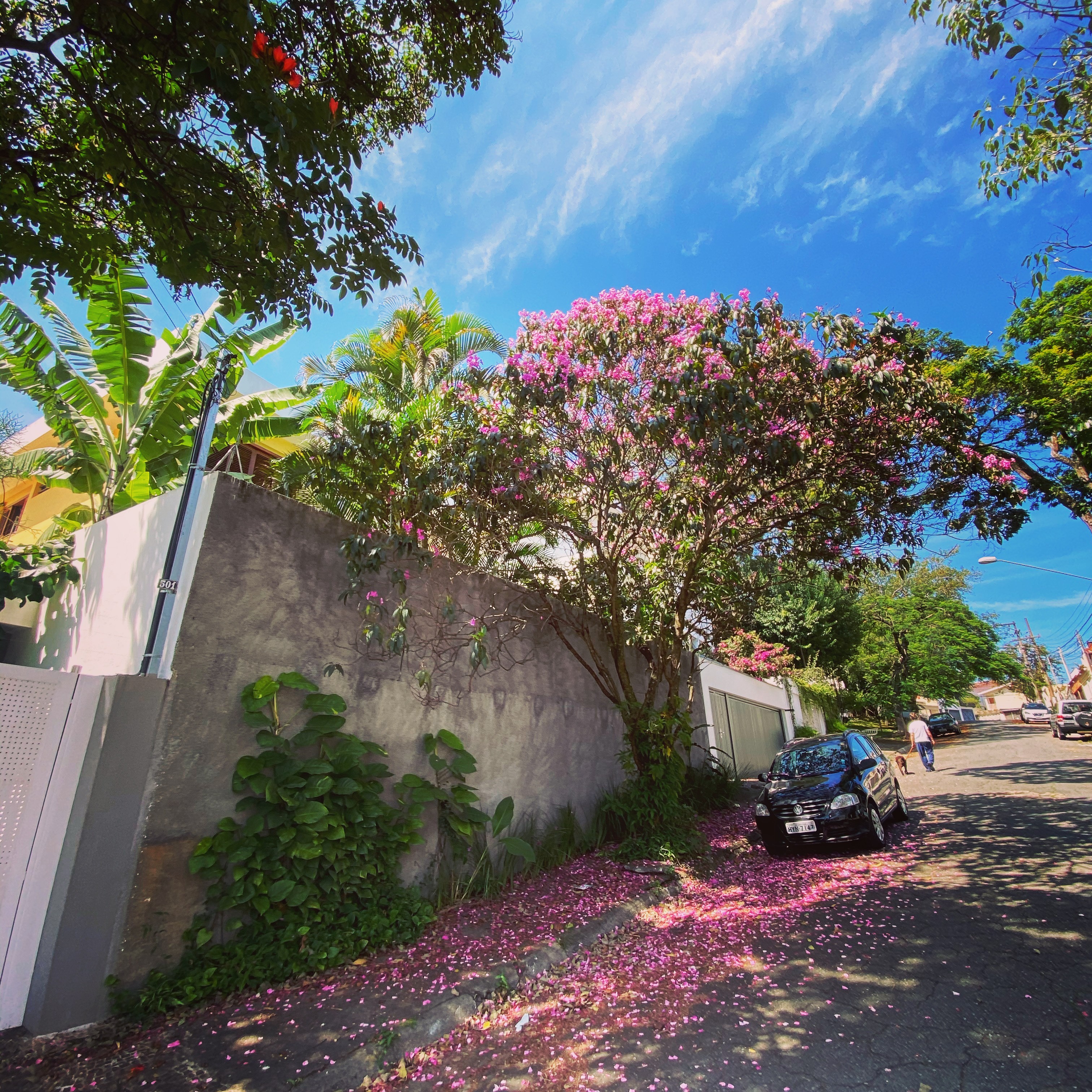
I'm in a taxi, winding up the hills of São Paulo.
I've got a bag, a vague plan, and the beginning of a new life waiting somewhere around the next bend. The driver's talking in Portuguese. I'm half-understanding, half-absorbing everything outside the window.
Tropical vegetation spilling over walls. Surreal street murals. Palm shadows on the sidewalk. The smell of orchids. Everything signaling that I've crossed into somewhere else entirely.
And then, on the radio, "Englishman in New York." Sting: I'm an alien, I'm a legal alien.
I am an alien. I've stepped into another world.
Over the coming weeks and months, São Paulo cracked open layer by layer. The neighborhoods, each one its own universe. The food, the architecture, the rhythms of the daily markets. And then the music.
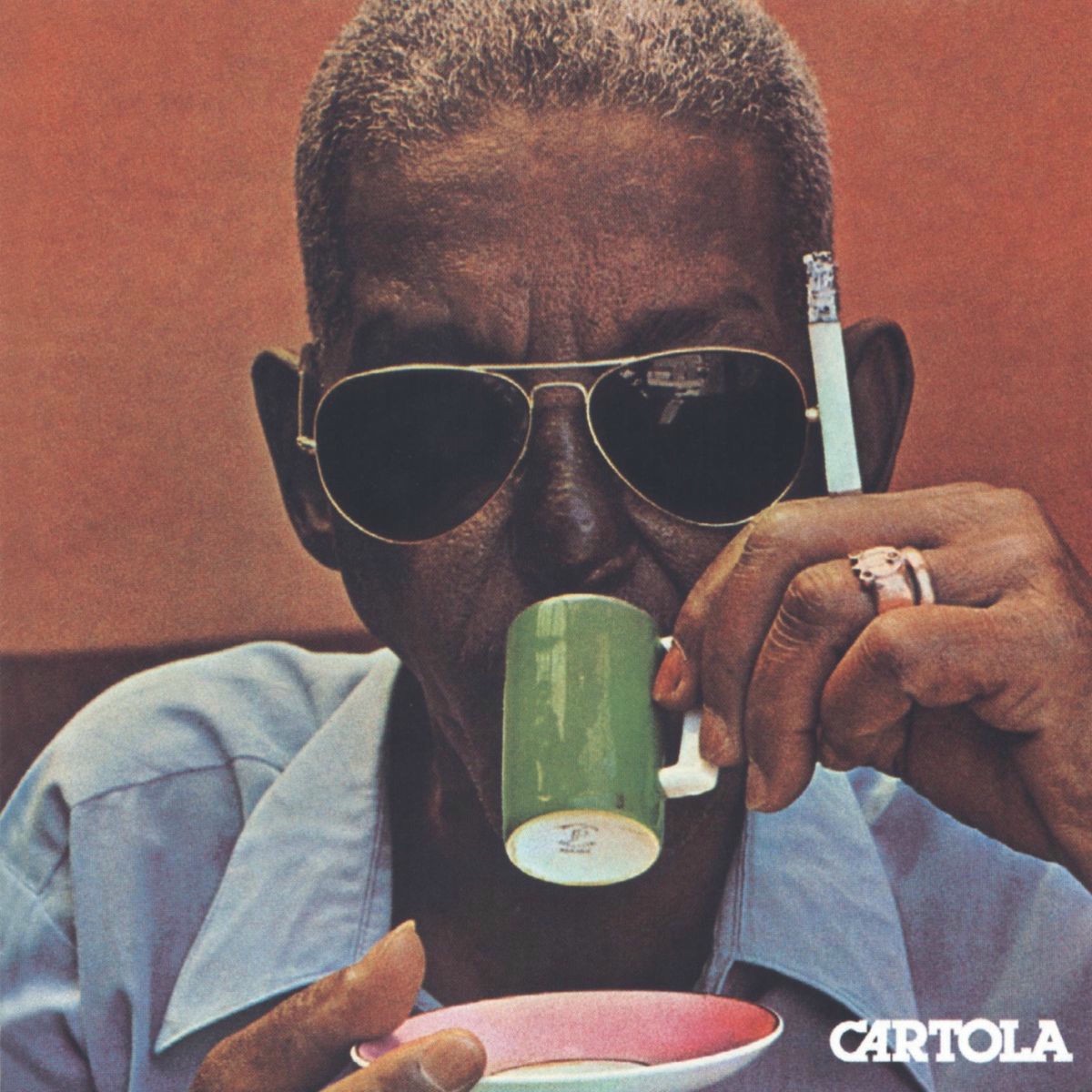
I found Cartola in a record shop.
Born in the hills of Mangueira in Rio, his songs gave shape to an entire culture. His samba school, with its green and pink, verde e rosa, its people, its lore. When you listen to "O Mundo é um Moinho," you're stepping into a man's philosophy of life, his identity, his relationship with his adopted daughter, his grief, compressed into a few minutes of music.
Preste atenção, o mundo é um moinho
Pay attention, the world is a mill
Vai triturar teus sonhos, tão mesquinho
It will crush your dreams, so petty
Vai reduzir as ilusões a pó
Will reduce illusions to dust
From Cartola I found Caetano Veloso, Tim Maia, Gal Costa, Milton, Gilberto Gil, Hermeto Pascoal, and countless more. Each record became a door. Behind every door was another room. In every room I felt like a guest in a new world, Brahma in hand, surrounded by people generous enough to let me in.
That feeling, of stepping into something so layered it becomes part of you, is what I kept returning to in my work. Not as a metaphor. As an observation about what makes creative work hold.
I spent years working on global campaigns, and the phrase we kept coming back to was "building a world." Not in the sci-fi sense. In the practical sense of making sure every touchpoint felt like it existed inside the same idea, same logic, same texture, same shape. When it worked, the campaign had a kind of gravity. When it didn't, you could feel the seams.
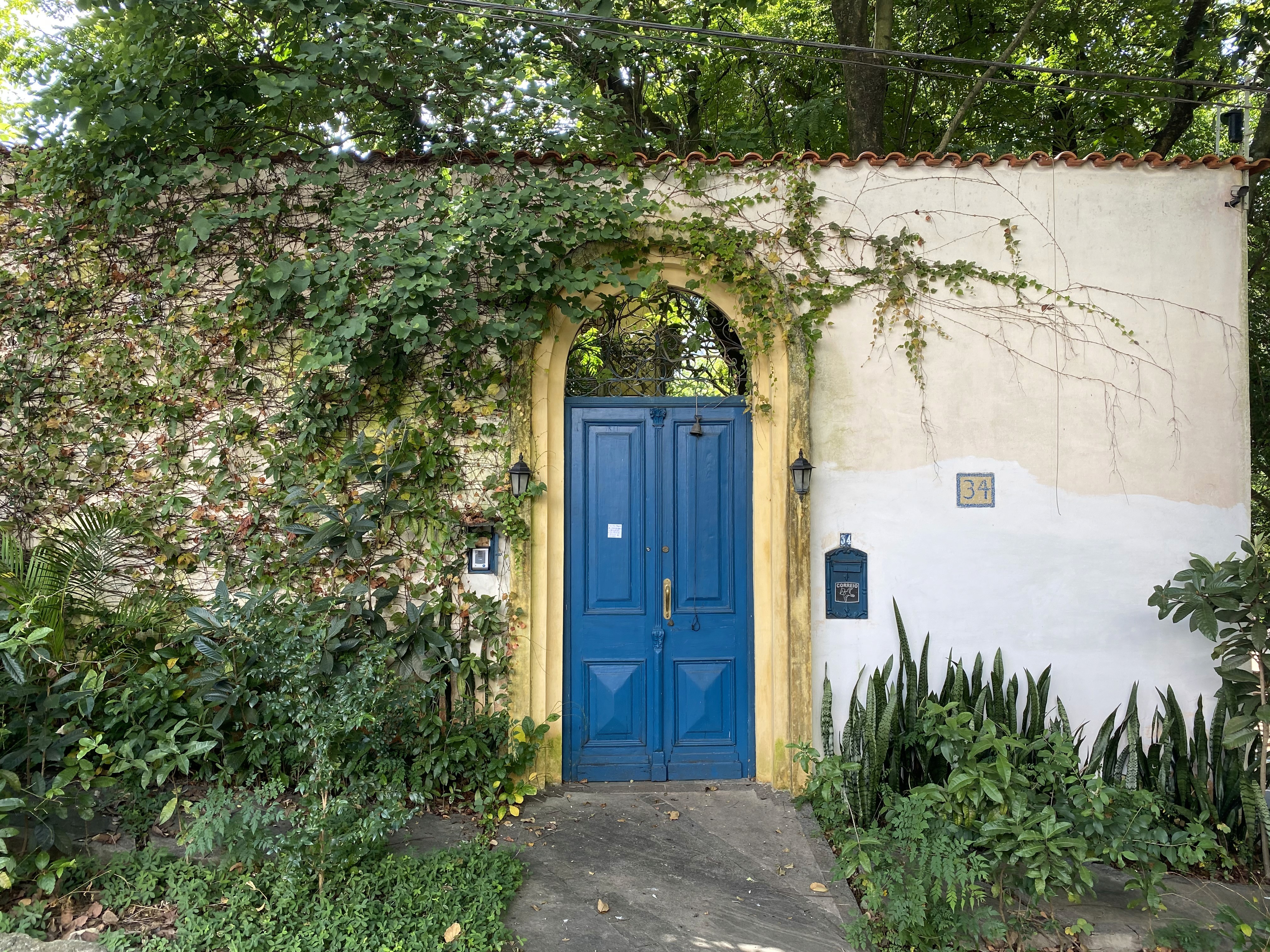
Around the same time I was deep into fiction. Magical realism, science fiction, fantasy — writers who build worlds that stay with you long after the book is closed. The ones that lasted were masters of layering. Not just the political systems and rules of magic that give those genres their shape, but something underneath all of that: the internal logic that makes every decision feel inevitable, the hidden backstory that gives the work weight, the unresolved tension at the center that keeps you thinking after the last page. Those elements aren't specific to genre. They're what makes any creative work feel real rather than assembled.
I started trying to pull those elements apart and figure out which ones actually translated. What I landed on was five layers.
Most of what gets made now has surface. Social media runs on it. Brands invest heavily in it. Surface is the first thing anyone sees, and specificity in the surface is what makes work impossible to mistake for something else. But surface alone is what derivative work is made of. You recognize it immediately: you've seen the trick before, just in a different form. It can be beautiful. The execution can be impressive. But scratch below it and there's nothing new. Nothing that leaves you forming your own opinion after it's over. No room for you inside it.
That last part is what most creative work misses. The best work leaves space that only the audience can fill. Not empty space, productive space. The things left unsaid that your own experience rushes in to complete. The unresolved conflict that has no answer, only a question you carry with you. The piece of music that means something different to you than it does to anyone else because of what you brought to it.
Technology is getting very good at producing work that looks finished. What it cannot produce is a world with its own shape, its own accumulated history, its own unresolved center. That takes a specific human life to build, which is why it's worth knowing how.
conor garrity / founder, unk
*This is the first in a series. In the next article, we'll break down the layers of a well-built world, the structural elements that give a world its depth, its internal logic, and its ability to grow. Those layers will be the foundation for everything that follows.