
Transmission / ψ-02
the layers
Omar Little is a stick-up man who robs drug dealers for a living. He also has a strict personal code he never breaks. He won't rob civilians. He won't work on Sundays. He announces himself on the corners so people can clear out before he arrives.
"A man's gotta have a code."
The Wire is a show about codes. The cops decode wiretaps. The dealers talk around the cops. The viewer decodes the whole thing from the couch. Every layer has its own logic, its own rules, its own way of speaking. You can watch it over and over again and still find more details in the code.
That's not accident. That's architecture.
The things we return to are built in layers. Each one giving the audience something new to find.
The five layers of a world worth returning to.
01 — The surface.
What arrives first. The visual, the sound, the opening line. A great surface makes the audience want to go deeper.
The spine of a Penguin Classics paperback.
The white stitched label inside every Maison Margiela garment.
02 — The logic.
Every world runs on internal rules. Not always stated. Never arbitrary. When the logic is clear, the world is convincing.
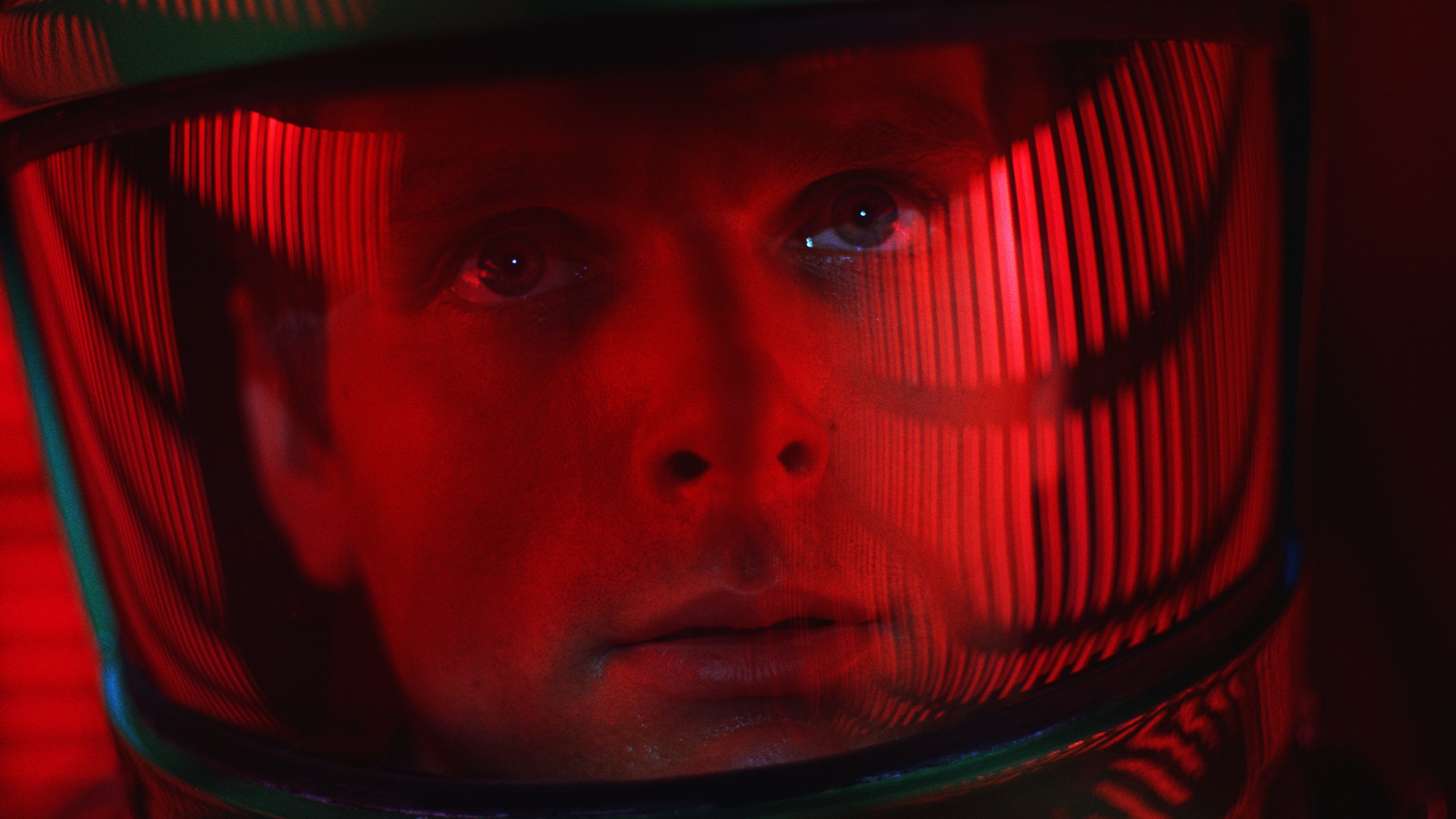
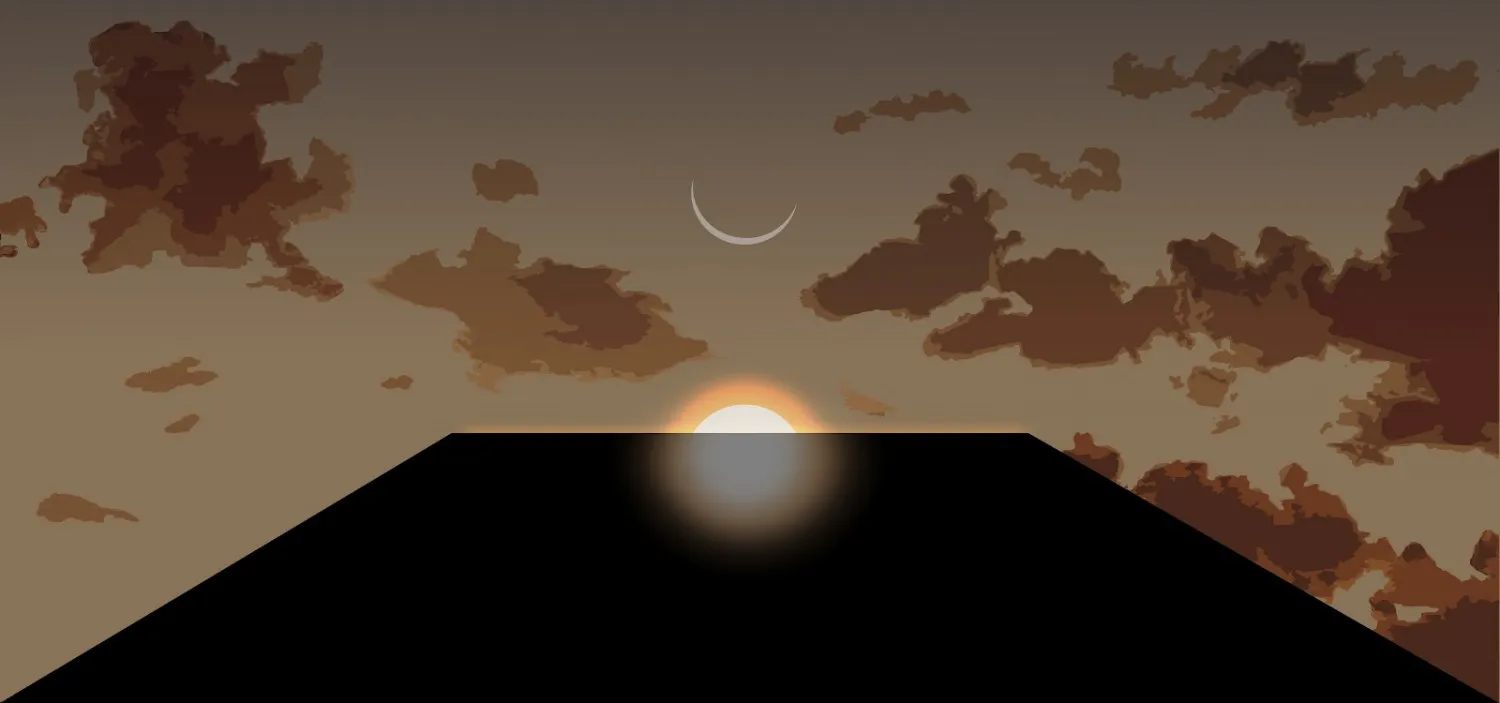
Kubrick's logic is order confronting the unknowable.
Muji's logic is restraint as desire.
Cormac McCarthy's logic is brutality as the condition beneath everything.
03 — The lore.
Lore is the difference between looking at a work of art and understanding its history. Context makes everything more compelling.
Kate Bush's Hounds of Love carries an entire mythology in its B-side that most people never reach.
Hiroshi Fujiwara built Fragment through selective silence, presence over explanation.
Ursula K. Le Guin's worlds carry anthropological depth in a single page of prose.

04 — The tension.
Every great world has an unanswered question at its center. That's what keeps people coming back.
Lynch's tension is familiarity turned inside out.
Rei Kawakubo's tension is whether what she makes is fashion at all. In both cases, the audience decides.
05 — The invitation.
Every great world leaves room for the audience. Not everything needs to be explained. The open space is intentional.
Agnes Martin left so much silence in her canvases that viewers finish them.
Terrence Malick withholds just enough that you bring your own memory to the screen.
The Wire has lasted because it gets all five layers right. The surface, the streets of Baltimore, is specific enough to feel real from the first frame. Every character and every institution runs on its own internal logic. The lore only reveals itself after multiple watches. The tension lives in a city that never resolves and institutions that never change. Every scene invites the audience in to put together the pieces themselves.
That's why people are still watching. Still decoding.
unk
Next: the surface. Where every world begins.